
Detailed Introduction Of Li-SOCl2 Battery
Leave a message
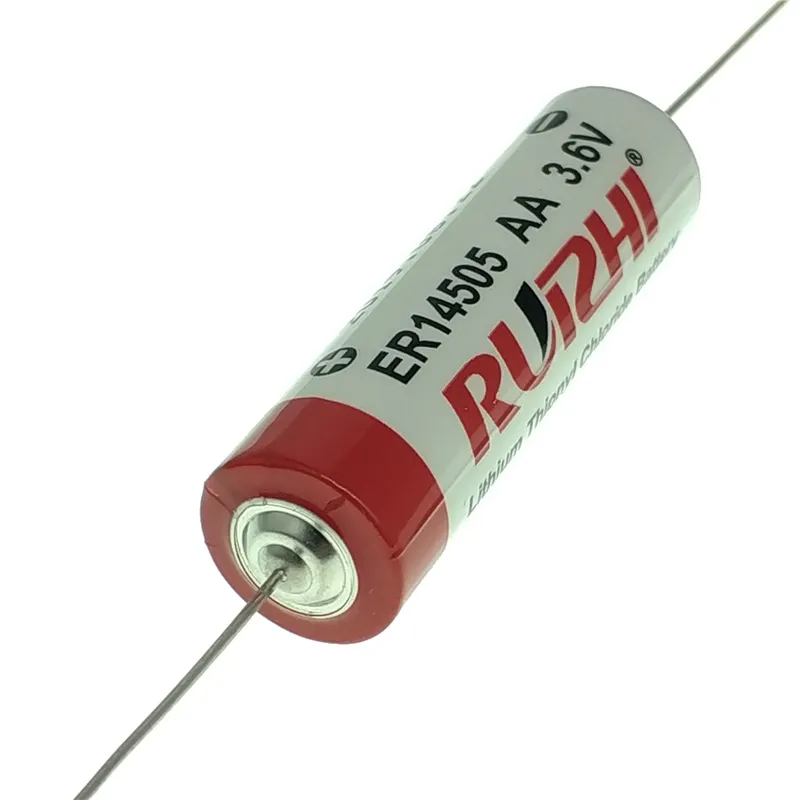
The lithium thionyl chloride battery is a powerful energy source with a rated voltage of 3.6V. Its working voltage is variable, typically ranging from 3.0V to 3.6V, the highest among all single battery systems available today. Boasting a massive specific energy of 500WH/Kg, this battery also has an impressive volume specific energy of 1000 WH/L, making it one of the leading power sources in the battery industry. Its energy and power output make it an ideal choice for high-performance electronics that demand long-lasting power.
There are three types of this product based on its purpose: capacity type, power type, and high temperature type.
Lithium thionyl chloride batteries excel in extended discharge applications due to their exceptional ability to maintain a stable load voltage. They have the remarkable capability to release more than 90% of their total capacity at a constant voltage, making them an ideal choice for long-term usage.
Lithium thionyl chloride batteries are renowned for their ability to withstand extremely harsh environments. They surpass conventional batteries, which can typically operate within a temperature range of -55°C to +85°C. However, these specialized batteries can withstand temperatures as high as 150°C. Furthermore, these exceptional batteries exhibit an impressively low self-discharge rate of less than 1%. This means that they can be stored for up to 15 years, provided the storage environment remains below 35°C.
The main purpose:
Applications of lithium thionyl chloride batteries are versatile and widespread across various fields. These batteries are primarily utilized in smart card meters for measuring water, electricity, and gas consumption. Additionally, they also serve as backup power sources for computers, medical equipment, wireless communication devices, remote control data acquisition systems, scientific research instruments, and military applications. They are also an invaluable asset in the oil drilling industry and portable communication equipment. The impressive range of applications showcased by lithium thionyl chloride batteries is a testament to their efficiency and reliability in powering a wide range of electrical equipment.
Main feature:
The platform offers a stable high working voltage, ensuring reliable performance. It boasts a high volume specific energy to high quality ratio, providing efficient power output. Additionally, it features a low energy self-discharge rate, allowing for long-term storage. With a storage life of up to 15 years, under a temperature of 20℃, the annual self-discharge rate remains below 1%. The outer body is constructed entirely of stainless steel, ensuring durability and resilience. The metal glass sealing structure and inorganic electrolyte further enhance its robustness. Moreover, it is designed to operate in a wide temperature range, from -55℃ to +85℃, making it suitable for various applications.
Store:
To maintain optimal conditions for storage, it is important to keep the environment clean, dry, and cool. The temperature should not go beyond 30 ℃.
Warn:
To ensure safe use of batteries, it is important to adhere to some basic guidelines. Firstly, avoid using batteries with damaged outer packaging as they may pose a risk of leakage or malfunction. Secondly, never mix different types or brands of batteries, as they may have different voltages and capacities that could cause damage or injury. Additionally, it's crucial not to mix new and old batteries, as this can also lead to unpredictable results. Wiring directly onto the battery case is also not recommended, as it may cause damage or create a short circuit. Charging batteries should also be avoided, as it can lead to overheating and potential hazards. Finally, it's critical to avoid subjecting batteries to extreme temperatures, flames, or physical impacts as this can cause them to explode, leak, or catch fire. By following these guidelines, you can safely use batteries for their intended purpose.